
Your one‑stop resource to get cast, get noticed, and get paid. Grab the checklists, and book a quick consult if you want personalized help.
Treat this as your roadmap from first audition to paid gigs—and from paid gigs to a sustainable career. Whether you’re aiming for American Idol or The Voice, prepping MT prescreens and Unifieds, or building an EPK that actually gets you booked, this guide keeps the process simple, practical, and doable.
What you’ll find here: clear next steps for every stage of your journey, the latest audition requirements and timelines for major shows, prescreen and sight‑reading strategies, how to work with accompanists, and the business side—releasing covers legally, invoicing, W‑9s/1099s, and getting paid on time.
Note: We try to keep audition requirements/dates and legal/admin basics current; always verify linked eligibility pages before you apply.
The Big 3 TV Auditions: quick facts and how to prep
The biggest TV stages run on tight rules and tighter timelines—and they’re more accessible than most singers think. This section breaks down American Idol, The Voice, and America’s Got Talent so you know exactly how to apply, what to prepare, and how to stand out in 90 seconds.
What we cover here:
- Eligibility and application flow at a glance (online submissions, virtual open calls, and special in‑person events)
- Song‑choice strategy for 90‑second cuts (lead with the hook, keep the button clean, have a contrasting backup)
- Video/tech setup that won’t waste your best take (audio first, framing, slate, lighting)
- When to expect replies and what producers listen for at each stage
- Quick links to official pages plus our singer‑friendly checklists, song ideas, and audition‑day scripts

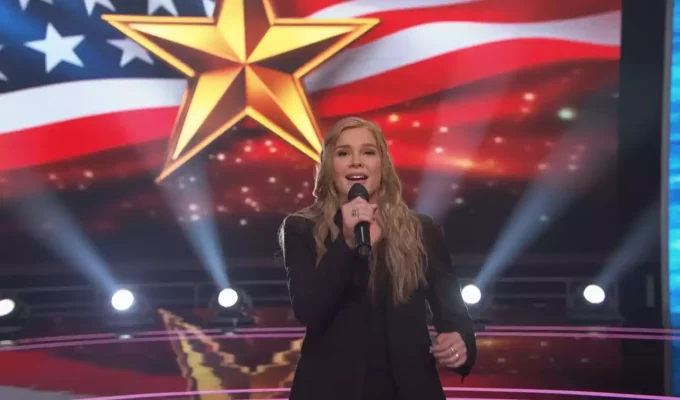
American Idol
Age/eligibility: for the current cycle, the official Cast It page tied to ABC’s American Idol Season 9 (ABC numbering) shows a birth‑date window of June 2, 1996 through February 15, 2011 and requires legal U.S. residency/work authorization. That aligns with “15+ by Feb 15 of the competition year.”
Always confirm the season‑specific eligibility window on the Idol casting portal before you book your slot.
How to audition: submit an online audition and/or reserve a Zoom slot for your state’s “Idol Across America.” The ABC auditions hub posts the open calls and alerts.
Tip: you can usually audition on any state day; state labeling mostly organizes flow. Watch for special in‑person events (e.g., CMA Fest Nashville).
Related guides: Top American Idol Audition Songs; 10 Tips to Nail Your Idol Audition; How to Audition for American Idol; How to Choose the Right Song for Your Voice.

The Voice on NBC
Age/eligibility: at least 13 years old by the stated date (example: “by May 9, 2025”) and legally present/authorized to work in the U.S. Virtual Open Calls are the norm; create an Artist Account on the official casting site.
Audition flow: register for a Virtual Open Call; prepare one song, be ready with a second; you may be asked for more material in callbacks.
Related guides: Mixed Voice, Demystified; How to Stop Cracking; Microphone Techniques; Vocal Warmups.

America’s Got Talent (AGT)
Eligibility: open to any age and to international acts, provided you have appropriate visa status prior to live shows; minors must have a parent/guardian.
Audition methods: Virtual Open Calls (90 seconds) and/or video submission on the official AGT site.
Pro tip for singers: prepare a cappella and with instrument; know your 90‑second cut cold; have an additional contrasting cut ready.
Related guides: How to Audition for America’s Got Talent (AGT); Top AGT Audition Songs: What Works on America’s Got Talent; How to Find Your Vocal Range; Easy Vocal Exercises; Singing High Notes.
How to choose the right material for TV auditions
- 90‑second strategy: intro (5 sec), chorus or hook (40–60 sec), contrasting moment (15–25 sec), clean button and thanks.
- Don’t: over‑ornament; pick keys that hide the hook; exceed time caps.
- Do: lead with the money note, and rehearse “enter, slate, start” so there’s no dead air.
More resources for Choosing the Right Songs for Your Voice
Musical Theatre, College/Conservatory Auditions & Prescreens

The Musical Theater Common Prescreen (MTCP)
Many programs adopt the MT Common Prescreen to standardize songs, monologues, dance, wild card, and slate requirements. Acceptd publishes current‑cycle criteria and a weekly‑updated list of participating schools—check both the MTCP page and the individual school page each cycle.
Unifieds (National Unified Auditions)
Centralized in‑person audition events for multiple BFA/MT/Acting programs—typically New York (late Jan) and Chicago/Los Angeles (early Feb). Confirm dates and your school’s requirements each year on the official Unifieds site.
Example upcoming cycle: NYC Jan 24–25, 2026; Chicago Feb 2–5, 2026; Los Angeles Feb 7–8, 2026.
Many schools require prescreens (via Acceptd) before giving you a Unifieds appointment. Verify per school, it could be different, your school may have unique arrangements.
Prescreen game plan
Songs: 2 contrasting (e.g., Golden Age + contemporary), 60–90 seconds each; shoot as separate clips.
Monologues: 60–90 seconds contrasting; contemporary + classical when required.
Dance: follow camera and slate instructions exactly per school/MTCP.
Labeling, slating, framing: MTCP has specific rules—treat them as non‑negotiable.
Related guides: How to Choose the Right Song; Proper Singing Technique; Overcoming Stage Fright.
Sight‑Reading at Auditions
What you’ll be asked
- Vocal lines in treble/treble‑8vb; rhythm claps; intervals; short melodic dictation. Train it fast
- Daily 10: 3 minutes solfege ladders; 3 minutes intervals; 2 minutes rhythms; 2 minutes read‑and‑sing (new 4–8 bars). Rotate keys and meters. On the day
- Ask for “I–V–I” and tempo; silently audiation once; sing confidently—accuracy plus confidence beats timid correctness.
From Open Mic to Paid Gig: a step‑by‑step plan
Phase 0–30 days: foundation
- Repertoire: 30–40 songs that fit your voice + 10 event‑friendly staples; lock 3 audition cuts.
- Assets: live‑ish clip (phone is fine but steady audio), 1‑paragraph bio, 2 photos.
- Calendar: 4 open mics across your metro; join two local music FB/Discord groups; set up a simple booking page (Calendly or site contact form).
Phase 30–90 days: momentum
- Record two strong live clips at consistent volume/lighting.
- Start a weekly “Songs on Sunday” clip for social proof.
- Contact 15 venues (coffeehouses, wine bars, breweries); offer 2×45 or 3×40 min sets; bring your own small PA when needed; set minimums and tip jars.
Phase 90–180 days: convert to paid work
- Package: 1‑page EPK link + 3 clips + set list + tech needs + rates.
- Pitch hotels/weddings/events: require deposit, written confirmation, load‑in/out timing, and cancellation terms.
- Stronger proof: collect 5 quotes, 3 testimonials, and a simple email list at shows.
Working with an Accompanist
- Bring: clearly printed, hole‑punched piano‑vocal in a binder; mark start/end cuts; circle tempo; write a 1‑line roadmap (“2‑bar intro from chorus, ritard at bar 12, button”).
- Keys: confirm your key; avoid last‑second transpositions; if transposed, provide clean engravings.
- Count‑in and cues: practice the verbal setup in 10 seconds—confidence sets the room.
- Gratitude and resets: if you need a restart, own it, reset the tempo cleanly, and go.
Building Your EPK, Website, and Brand
What belongs in a modern EPK
The essentials promoters actually check
- 2–3 best tracks
- 1 short live video
- short bio
- hi‑res photos (vertical/horizontal)
- press quotes
- upcoming shows
- socials
- contact
Promoters prioritize audio quality and first 30–90 seconds of your top track—stack your strongest first.
Helpful frameworks and examples
See practical EPK checklists and best‑practice breakdowns from Sonicbids, CD Baby’s DIY Musician guide, and Bandzoogle.
Brand cohesion in a weekend
Pick a 2‑color palette + 1 accent, one headline font + one body font; align your photo/editing style; write a 2‑sentence “who we are” that matches your show poster and bio.
Website basics (one‑page to start)
Above‑the‑fold live clip, short bio, 3 smartest links (stream, EPK, contact), shows, email capture, contact/booking. Add Schema.org Person/MusicGroup and Event where applicable.
Release Covers Legally and Monetize (U.S.)
Key concepts (plain English)
- Mechanical license = permission to record/distribute the composition (audio‑only).
- Sync license = permission to pair the composition with video (YouTube, lyric video, etc.).
- Master use license = permission to use someone else’s sound recording (sampling or using the original track).
- MLC (Mechanical Licensing Collective) administers blanket mechanicals that DSPs use for interactive streams/downloads; creators still need mechanical licensing when distributing cover audio where a DSP/aggregator isn’t covering the obligation, and you still need a sync license for video.
Where the rules live
U.S. Code Title 17 §115 and Copyright Office regs describe the compulsory mechanical; note limits (no lyric/melody changes; separate rules for DPDs; notice timing).
Practical routes to be compliant
Use a Distributor to Handle Licensing
- Through a distributor that handles cover licensing (e.g., DistroKid’s cover program—fee per cover; they remit the statutory share via HFA).
Use a 3rd Party Licensing Service
- Via third‑party licensing services (e.g., Soundrop, Easy Song Licensing) when you need cover mechanicals (especially for downloads/physical) or want video sync assistance.
YouTube reality check
Some cover videos can share ad revenue if the publisher claims via Content ID; that’s not the same as holding a sync license, and availability varies by song/publisher.
Monetization status is shown inside YouTube Studio for eligible covers.
Rule of thumb
Audio‑only distribution of a faithful cover: mechanical license route (often handled by your distributor).
Any video (music video/lyric video/performance): sync permission from the publisher, unless the platform and publisher provide a specific revenue‑share clearance for that usage.
Getting Paid: Invoices, W‑9s, 1099s in the US
Working with venues/clients
Before the gig: collect a deposit, send a written confirmation with date/time/load‑in/PA/power/breaks/set lengths/cancellation terms, and request a completed W‑9 from the payer (or provide yours).
W‑9 basics
- W‑9 gives your payor your legal name, address, and TIN (SSN or EIN) so they can issue an information return if required; see IRS “Instructions for the Requester of Form W‑9.”
1099‑NEC thresholds (nonemployee comp)
For 2025 payments, the $600 reporting threshold remains in effect; the IRS 1099‑NEC instructions explain who must file.
New for payments made after December 31, 2025 (i.e., tax year 2026): federal law increased the information‑return reporting threshold for 1099‑NEC/1099‑MISC to $2,000, with indexing for inflation thereafter. See the IRS “Reporting payments to independent contractors” page. Always check the current IRS page each season for any updates.
Invoice must‑haves
Your business name/EIN, client name, service date/location, set lengths, rate, deposit received, balance due, payment methods, due date, W‑9 attached on first engagement, late fee/cancellation terms.
Related guides to level up your auditions and get your career on track
Technique
Vocal Technique; Mixed Voice, Demystified; How to Find Your Vocal Range; Singing High Notes; Vocal Warmup Exercises; How Technique Can Help You Sing Better; Microphone Techniques.
Auditioning
10 Tips to Nail Your Idol Audition; How to Audition for American Idol; How to Choose the Right Song.
Career
Finding Music Gigs; The Art of Learning to Sing New Songs; Your Authentic Voice; Overcoming Stage Fright; The Resilient Performer.
FAQs about Auditions & Your Career as a Singer
Idol requires U.S. legal residency/work authorization; The Voice requires legal presence/right to work; AGT accepts international acts but you’ll need appropriate visa status by live shows. Always read the official eligibility pages each season.
Plan for up to 90 seconds; producers may ask for more material later.
Follow the current MTCP criteria (songs/monologues/dance/wild card/slate) exactly as posted by Acceptd and the school.
The official Unified Auditions site posts city dates and participating programs each cycle.
Sometimes—if the publisher participates in Content ID revenue share; otherwise you typically need a sync license for video uses.